

The rainy season is upon us once again. Aside from the wet umbrellas, longer commutes, and cooler winds, have you noticed that more and more people are getting sick? Maybe you’ve seen a coworker sneezing every now and then or your child recently came down with a cough and fever. Or maybe a lot of questions are going through your head like how to manage asthmatic cough or viral infections that make it harder to keep your asthma under control.
Why Do We Get Sick More Easily When It Rains?
There are a few reasons why respiratory infections become more common during the rainy season:
- Colder air and low humidity dry out the protective mucus membranes in our noses and mouths.1 These mucus membranes trap dirt, viruses, bacteria, and other irritants.1 When they dry out, it becomes easier for the viruses and bacteria to enter and cause an infection.1
- Staying indoors to avoid the rain means more close contact with other people, making it easier for viruses to spread.1
- Cold damp conditions help the viruses become more dangerous.2 They become more stable and remain in the air as droplets for longer periods of time.2 Because of this, they spread easily in the rainy season.
These factors explain why there is a higher chance of getting a respiratory infection during the rainy season. However, this is not just the health concern we should be worried about.
The Risk for People with Asthma
For people with asthma, catching a cold is more than an inconvenience; it can be dangerous.
Respiratory viral infections are the leading triggers for asthma attacks.3 When viruses infect the airways, they cause inflammation, leading to swelling and narrowing of the airways. This makes it more difficult to breathe and result in an asthma attack.3
That’s why people with asthma need to be extra cautious during the rainy season, not just to avoid getting sick, but also know how to prevent asthma attacks or serious exacerbations.
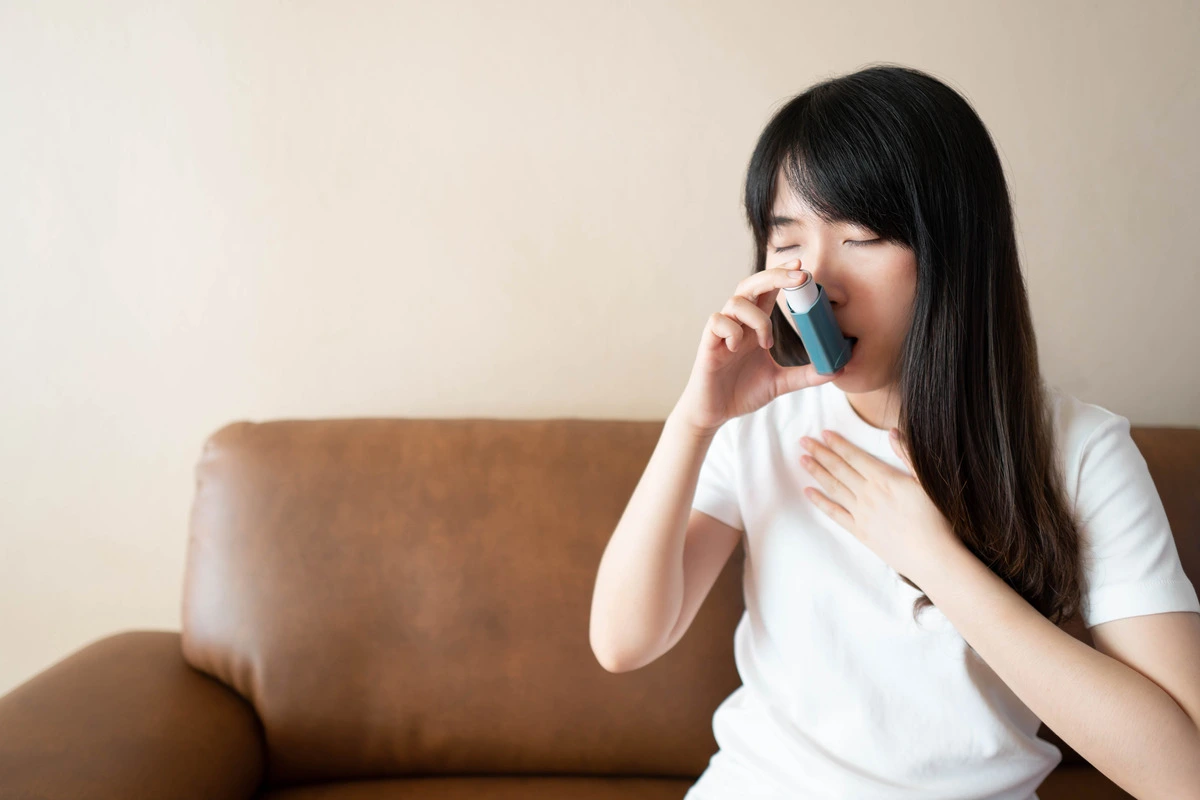
How does weather change affect asthma?
To help you better understand how colds and asthma are connected, here are some commonly asked questions that may make it easier:
Why do colds seem more common during the rainy season?
The rainy weather causes low humidity, which dries up the mucus membranes in our noses and mouths, making it easier for viruses to settle in the body. The colder temperatures also make the viruses more stable; they remain in the air longer and spread more easily.
Can a simple cold trigger an asthma attack?
Yes. Viral infections like the common cold are the most common triggers of asthma attacks. Due to the inflammation that occurs in these infections, the airways become narrow and swell up, making it harder to breathe.
How can I tell if my cough is from a cold or from asthma?
Asthma commonly presents with a dry cough, usually worse at night or early in the morning, and keeps coming back. However, it can also be productive, with phlegm. You may also experience breathlessness and hear a wheeze, a high-pitched sound due to the narrow airways.4
Cough in the common cold usually presents with mucus or phlegm, but it can also be dry. What’s important to note is that the common cold also has other symptoms such as a sore throat, mild fever, runny nose, congestion, even fatigue and headache.5
When should I see a doctor?
If you experience coughing at night or use your reliever more than twice a week, your asthma might not be under control.6 See your doctor for a review of your asthma treatment and action plan. You can also quickly check how strongly you rely on your reliever with our Reliever Reliance Test. You may also consult with our doctors via Breathe Better’s telemedicine channel.
If you have more severe symptoms like gasping, difficulty speaking because of shortness of breath, severe sweating, and straining of chest muscles to breathe, and your reliever does not seem to help, visit the ER for urgent management.7
What Should I Do To Stay Protected This Rainy Season?
- Be consistent with the prescribed asthma treatment. Follow your asthma action plan and monitor how often you use your relievers.
- Avoid known triggers as much as possible.
- Wash your hands frequently and carry alcohol and hand sanitizer with you.
- Wear a mask in crowded or dusty places, especially during this season.7
- Stay up to date on vaccinations, including annual flu and COVID-19 vaccines.
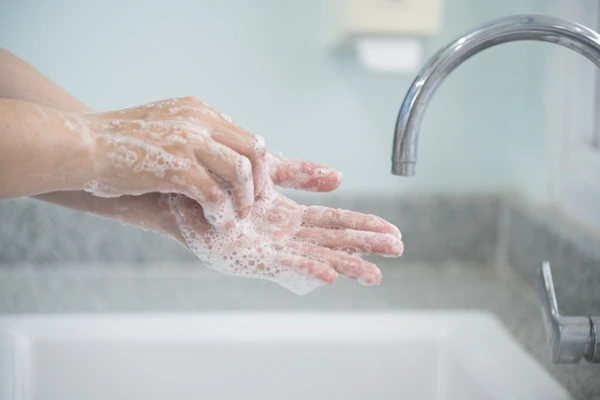

A lot can happen during the rainy season and we all need a proper guide for asthma care in the Philippines.
Staying healthy this rainy season starts with awareness. By knowing your triggers and acting early, you can know how to prevent asthma attacks, even when the weather isn’t on your side. Explore our Asthma Care Hub to find helpful resources for treating asthma more effectively.
Don’t wait for the next cold or flare-up to catch you off guard. For more tips on asthma care, follow us here on Facebook at Breathe Better Philippines!
References:
- Cleveland Clinic. (2021, December 7). Can weather changes make you sick?. Cleveland Clinic. https://health.clevelandclinic.org/can-weather-change-make-you-sick
- Moriyama, M., Hugentobler, W. J., & Iwasaki, A. (2020). Seasonality of respiratory viral infections. Annual Review of Virology, 7(1), 83–101. https://doi.org/10.1146/annurev-virology-012420-022445
- Menzies-Gow, A., Busse, W. W., Castro, M., & Jackson, D. J. (2021). Prevention and treatment of asthma exacerbations in adults. The Journal of Allergy and Clinical Immunology: In Practice, 9(7), 2578–2586. https://doi.org/10.1016/j.jaip.2021.05.016
- Symptoms of asthma. Asthma + Lung UK. (2024, June 30). https://www.asthmaandlung.org.uk/conditions/asthma/symptoms-asthma
- Common cold. Johns Hopkins Medicine. (n.d.). https://www.hopkinsmedicine.org/health/conditions-and-diseases/common-cold
- Szabo, B. (2024, August 16). The asthma cough. Asthma Australia. https://asthma.org.au/blog/the-asthma-cough/
- Mayo Foundation for Medical Education and Research. (2025, April 15). Asthma attack. Mayo Clinic. https://www.mayoclinic.org/diseases-conditions/asthma-attack/symptoms-causes/syc-20354268
While it's best to consult a doctor,
this quick, self-assessment test
can help you screen yourself for
asthma and/or COPD.
Powered by 
BreatheBetter.com is intended as a service to patients by AstraZeneca Philippines. There is no intent to replace the advice of a healthcare professional. Always consult your doctor.
“Breathe Better is a non-promotional program initiated & developed by AstraZeneca”
CONNECT WITH US

