

What goes on in your mind when you see or hear smoking? Probably cigarettes, the nicotine smell, or the rising cost of each pack… Go a little further, and you might also think of coughing, breathing problems—maybe even lung cancer.
If you also thought of these things, you are right! Cigarette smoking is the strongest risk factor for the Big C, Cancer, specifically, lung cancer.1 This is especially worrying in the Philippines, where a study in 2022 showed that 16.4 million people aged 15 years and older are tobacco users.2 In fact, tobacco was the 4th highest risk factor for both deaths and disabilities in our country.2
But lung cancer is not the only disease smoking causes. Smoking also leads to heart disease, stroke, cancer of the mouth, throat, and larynx, and chronic obstructive pulmonary disease or COPD.1
Chronic obstructive pulmonary disease is a chronic lung disease where the airways become narrow and blocked, causing coughing, wheezing, shortness of breath, and difficulty breathing. This is an irreversible process, meaning once it starts, it can only be slowed down and managed.3

In 2021, COPD ranked 9th in the top 10 causes of deaths in the Philippines. Of all these deaths from COPD, tobacco smoking was responsible for over 64.3%, or approximately 10,700 Filipinos.2 It is more important than ever for us to address smoking and COPD.
So, how does smoking cause COPD?
When you inhale cigarette smoke, the irritants in it trigger an inflammatory response in the airways and lung spaces. The body releases all sorts of signals, proteins, and everything else it needs to repair itself. When inflammation occurs, the lining of the lungs swell up, and the airways are squeezed and become narrow. More and more cells are used and die in this process, which lead to a buildup of mucus or phlegm. Because there is significant swelling and mucus, the air spaces or alveoli are forced to stretch bigger than their original size.4
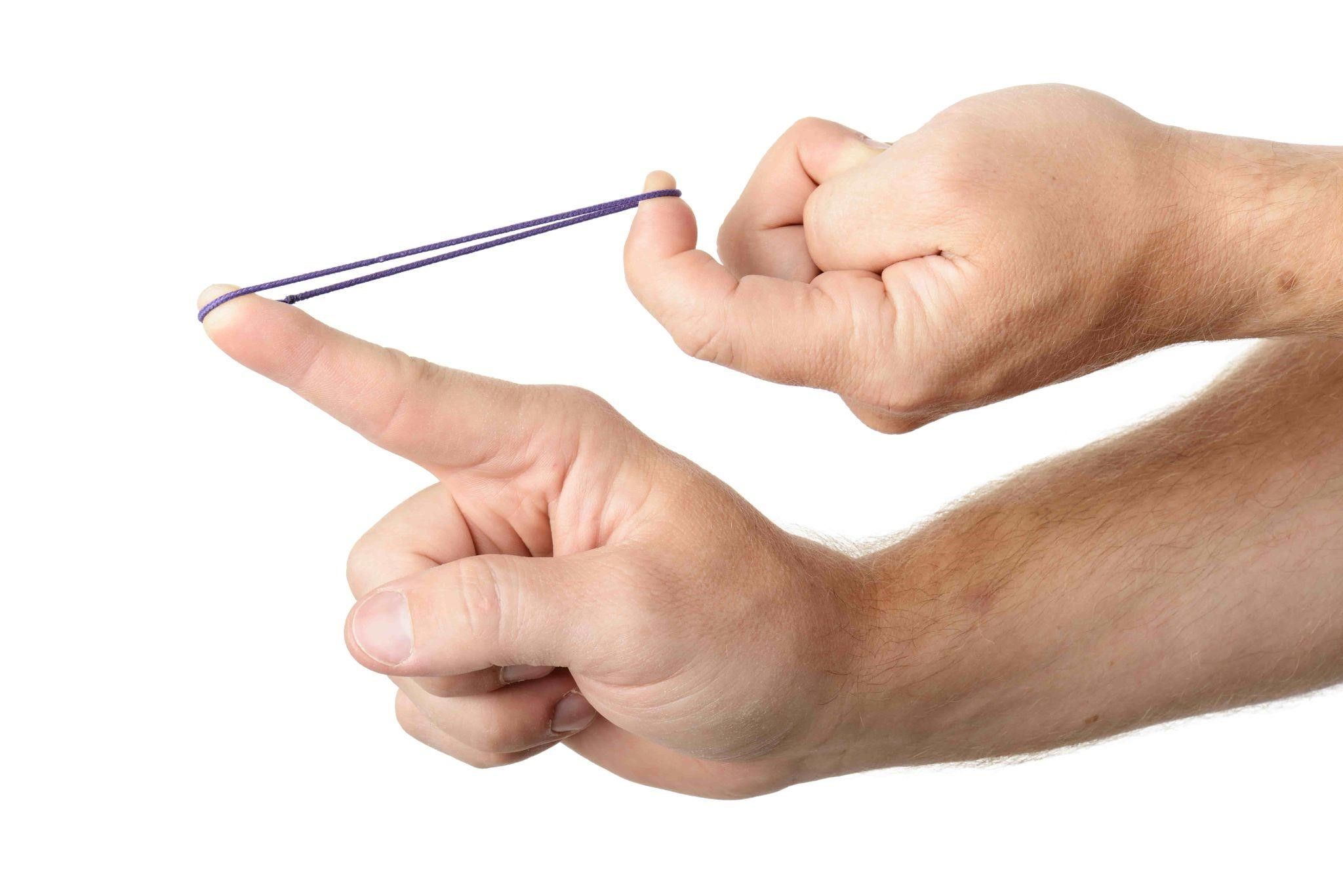
As smoke continuously enters the body, this process repeats over and over again. The irritants injure the lungs and the body repairs them. Think of a rubber band that you stretch repeatedly. At first, the rubber band goes back to its original form and you use it for about a hundred or so times. Soon, the rubber band gets overused and it loses its stretchiness or elasticity. Eventually, the rubber band becomes useless and you have to double it or use a new one. In a similar way, when the air spaces or alveoli continue to distend and inflate more and more, they eventually lose their elasticity. The airways become thick and stiff, making it difficult for air to enter the lungs. Over time, the lung tissue is irreversibly damaged.4
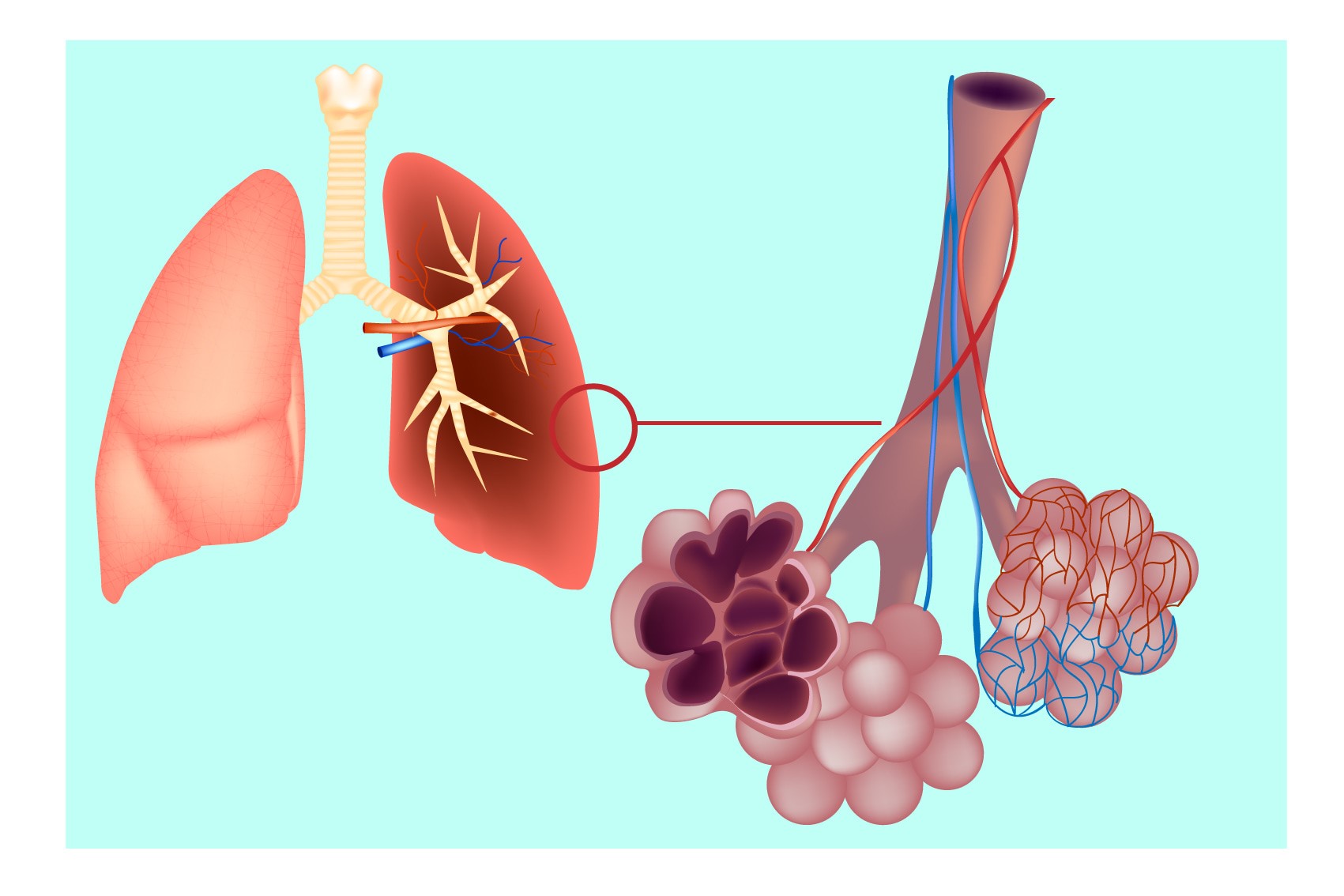
This is why persons with COPD present with chronic cough and phlegm (due to the build up of mucus) and difficulty in breathing and wheezing (due to the narrowing of airways). It is also why COPD is an irreversible condition, due to the destruction of the lungs itself.4
The risk for COPD increases with both the duration (the number of years smoking) and the total amount (number of packs smoked per year). But while the biggest risk factor is cigarette smoking including secondhand smoke, other inhaled irritants can also cause damage to the lungs. Examples of these irritants include air pollution, cotton dust, mineral dust, and inhaled chemicals like cadmium.4 Workers in mines, factories, and construction are at risk.

What are the symptoms of COPD?
COPD symptoms take years to develop and progress, but they can present earlier in patients who have been smoking for a long period of time. People with COPD usually present with:
- Cough, with phlegm
- Difficulty breathing, that gets worse during exercise and simple activity, and
- Wheezing.3
Advanced disease can present with:
- Bluish color of the lips and fingers
- Enlargement of the chest (“barrel chest”)
- Morning headache
- Weight loss, and
- Decrease in muscle tone.3
If you are a smoker, someone exposed to smoke, or experiencing some symptoms, you may be worried and might ask yourself– how do I know if I have COPD?
There are several tests used to diagnose COPD, including pulmonary function tests like spirometry, imaging such as chest x-rays or CT scans, arterial blood gas tests, ECG, and even genetic testing.3 But to help screen for COPD, a simple test was created: the PUMA screening tool. This questionnaire contains only 7 items; it is quick and can be answered even at home.
Using screening tools like the PUMA questionnaire can help identify high risk patients. You can test yourself using this online version.
Even though this disease is irreversible, patients with COPD can still have a good quality of life. While there is no cure, COPD treatments focus on improving symptoms and reducing flare-ups. Medications for COPD include inhaled corticosteroids and bronchodilators, oxygen therapy, pulmonary rehabilitation, and of course, programs to help you quit smoking.3 Always consult your doctor for proper diagnosis and management.
Smoking may be the biggest risk factor but it is also the most preventable and avoidable one.
Protect yourself from COPD and lung cancer.
Learn more about COPD and asthma here.
References:
- Centers for Disease Control and Prevention. (2024, September 17). Cigarette Smoking. Retrieved on April 5, 2025 from https://www.cdc.gov/tobacco/about/index.html
- Global Action to End Smoking. (2024, August 12). State of Smoking and Health in the Philippines. Retrieved on April 5, 2025 from https://globalactiontoendsmoking.org/research/tobacco-around-the-world/philippines/
- Cleveland Clinic. (2025, March 19). Chronic Obstructive Pulmonary Disease (COPD). Retrieved on April 5, 2025 from https://my.clevelandclinic.org/health/diseases/8709-chronic-obstructive-pulmonary-disease-copd
- British Medical Journal. (2024, July 26). Chronic Obstructive Pulmonary Disease (COPD). Retrieved on April 5, 2025 from https://bestpractice.bmj.com/topics/en-gb/7
Approval ID: PH-12379
While it's best to consult a doctor,
this quick, self-assessment test
can help you screen yourself for
asthma and/or COPD.
Powered by 
BreatheBetter.com is intended as a service to patients by AstraZeneca Philippines. There is no intent to replace the advice of a healthcare professional. Always consult your doctor.
“Breathe Better is a non-promotional program initiated & developed by AstraZeneca”
CONNECT WITH US

